Car Parts in the UAE: Where to Buy and Sell (2026 Guide)
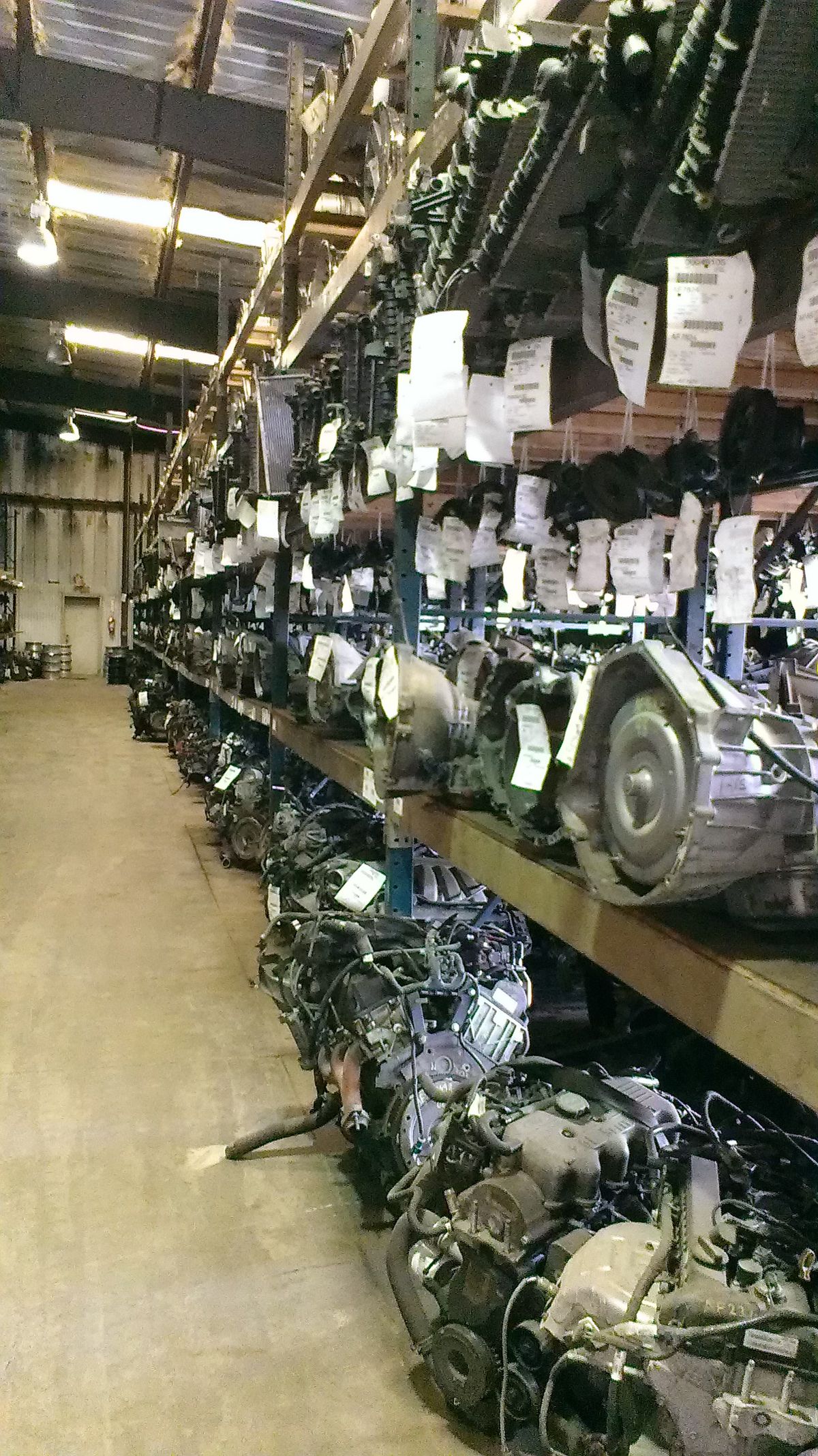
Whether you’re fixing up a daily driver or hunting for a hard-to-find component, car parts are their own little economy in the UAE. There’s a huge market for new, used, genuine and aftermarket spares here, spread across dealers, workshops, the big auto markets, and online. This guide walks through where to buy car parts, how to tell the types apart, what the common parts are actually called, and how to sell your own parts for cash. You can also browse live car parts for sale on Pistons at any point, listed by sellers across all seven emirates with no commission.
There’s no single “right” place to buy car parts here. It depends on whether you want new or used, genuine or aftermarket, and how much you want to pay. Here’s how the main options stack up.
Online marketplaces. The easiest way to compare prices and find a specific part without driving around. On the Pistons parts marketplace you can browse used and new parts from private sellers and workshops, filter by category or the make the part fits, and contact the seller directly. It’s free to list and there’s no commission, which keeps prices honest.
The Dubai auto markets (Ras Al Khor). Ras Al Khor is the go-to hub for spares in Dubai, packed with shops selling everything from engines and gearboxes to trim and electronics. Great for hands-on buyers who want to inspect a part in person and haggle.
Sharjah used-parts market. Sharjah’s used-car and parts souks, centred on the Industrial Area and out towards Sajaa, are famous for cheaper used and salvage parts, especially for older and rarer cars. Searches for car spare parts in Sharjah are among the fastest growing in the UAE for good reason: it’s often the cheapest place in the country to source a used part. Worth the drive if you’re after value or something unusual.
Abu Dhabi and Al Ain. Buyers in the capital have Mussafah’s workshops and spare-parts shops, Al Ain has its own yards, and an online marketplace covers all seven emirates, so you’re never limited to just your own city. Rare and luxury-brand parts (think Range Rover, Rolls-Royce, and other high-end models) are often far easier and cheaper to find used through a marketplace than to order new.
Brand-specific parts. A lot of UAE part hunting is brand first: Toyota, Nissan and Honda spares are the most searched, and parts for Chinese brands (Jetour, Chery, Geely and others) are a fast-growing category as those cars flood the market. On a marketplace you can filter parts by the make they fit, which is usually quicker than ringing around shops that may or may not stock your brand.
Wholesale and trade suppliers. If you buy in volume or run a workshop, the UAE has plenty of wholesale car-parts suppliers. For a one-off consumer purchase, though, a marketplace or an auto market is usually cheaper and simpler.
Franchised dealers. For brand-new genuine parts with a warranty, the official dealer is the safest route, though usually the most expensive. Best for critical safety components or newer cars still under warranty.
Independent workshops and specialists. Many garages source and fit parts for you. If you’d rather someone else handle both, the Pistons garage directory lists workshops and specialists across the UAE, so you can find one that knows your car.
Car parts fall into a few broad types, and knowing the difference saves you money and headaches.
| Type | What it is | Best for |
|---|---|---|
| Genuine (OEM) | Made by or for the original manufacturer, same as factory-fitted | Safety parts, newer cars, peace of mind |
| Aftermarket | Made by a third party to fit your car, quality varies | Saving money, common wear items, upgrades |
| Used (salvage) | Removed from another vehicle, sold as-is | Older cars, rare parts, tight budgets |
| Refurbished | Used part cleaned, repaired and tested | A middle ground on cost and reliability |
As a rule of thumb: use genuine or good-quality aftermarket for anything safety-critical (brakes, steering, airbags), and used or refurbished is fine for body panels, trim, and non-critical mechanical bits. Whatever you buy used, always confirm it fits your exact make, model and year before paying.
A lot of buyers get stuck simply because they don’t know the name of the part they need. Here’s a quick glossary of the components people search for most, grouped by area of the car.
| Area | Common parts |
|---|---|
| Engine | Alternator, starter motor, water pump, timing belt, spark plugs, radiator, turbocharger |
| Transmission | Gearbox, clutch, torque converter, driveshaft, CV joint |
| Brakes | Brake pads, discs (rotors), calipers, brake lines, master cylinder |
| Suspension | Shock absorbers, struts, control arms, ball joints, bushings, springs |
| Electrical | Battery, sensors, wiring harness, ECU, headlights, ignition coil |
| Body | Bumpers, fenders, doors, bonnet (hood), mirrors, grille, tailgate |
| Interior | Seats, dashboard, steering wheel, AC compressor, infotainment screen |
If you know the area and rough name, you’re most of the way there. To get the exact right part, look it up by your car’s VIN (chassis number): it identifies the precise model, engine and trim, so the seller or a dealer parts desk can match the correct part number rather than guessing. Quoting your VIN when you enquire is the single best way to avoid buying a part that doesn’t fit.
A quick word on how the engine side fits together, since it confuses a lot of first-time buyers: the engine burns fuel to turn the crankshaft, the transmission passes that rotation to the wheels, the alternator uses it to charge the battery, and the radiator and water pump keep the whole thing cool. So if your battery keeps dying, the culprit is often the alternator rather than the battery itself, and overheating usually points to the radiator, water pump or thermostat rather than the engine. Knowing which part sits upstream of your symptom saves you buying the wrong one.
Sitting on parts you no longer need? There’s steady demand, and selling them is straightforward.
The simplest route is to list them on a parts marketplace. On Pistons you can list a part free in a few minutes: add photos, the part name and condition, the makes and models it fits, and your price, then buyers contact you directly. Because there’s no commission, you keep the full sale price.
A few things that help parts sell faster: clear photos from several angles, an honest description of condition and any wear, the exact makes or models it fits (or “universal” if it’s not car-specific), and a fair price checked against similar listings. For cash sales, meet buyers in a safe, public place, and never hand over the part before payment clears.
If you have a lot of parts, or a full car worth breaking for spares, workshops and scrap dealers in Ras Al Khor and Sharjah will often buy the lot, though usually at a lower price than selling individually.
And if a part is genuinely past selling? Old parts don’t have to go in a skip. Metal components (engines, panels, exhausts) are readily recycled and scrap yards will often pay by weight, old batteries should always go back to a battery shop or recycler because of the acid and lead, and worn tyres are accepted by most fitters when you buy replacements. Anything still serviceable can also be donated to a workshop or listed cheaply online: one owner’s junk drawer part is another owner’s missing piece.
It depends entirely on the car, but the golden rule is this: a car is almost always worth more sold part by part than sold whole for scrap, as long as you have the time and space to store and ship the pieces. The high-value items (engine, gearbox, alternator, ECU, catalytic converter, good body panels, and clean interior trim) do most of the work, while the shell and worn bits fetch little. If you’d rather not deal with dozens of separate sales, selling the whole car to a workshop that breaks cars for parts is quicker, but you’ll get less than parting it out yourself. Either way, list the desirable parts on the Pistons parts marketplace first to see what real buyers offer before you accept a lump-sum scrap price.
Buyers outside the UAE sometimes want a part you’re selling, especially for rarer or luxury models. Shipping is doable but comes with a few realities: heavy or bulky parts (engines, panels) cost a lot to send, some parts have hazardous-material restrictions (airbags, batteries, anything with fluid), and the buyer is usually responsible for import duties and customs in their country. Get a courier quote based on the packed weight and dimensions before you agree a price, and factor that into the deal so there are no surprises.
Used parts are where the real savings are, but also where the risk is. A few habits keep you out of trouble.
Confirm fitment first: match the part to your exact make, model, year and often the engine or trim, ideally by part number. Ask for clear photos of the actual part, not a stock image. Check the condition honestly, and for electrical or mechanical items, ask whether it was tested and whether there’s any return option. Meet in person where you can, inspect before you pay, and use safe public locations for cash deals. The same buyer diligence that applies to cars applies to parts, and our guide on how to check a used car’s history in the UAE is worth a read if you’re buying a whole car to fix up.
Ready to find a part, or clear out the ones gathering dust in your garage? Browse the full parts marketplace to buy from sellers across the UAE, or list your own part free and reach buyers in every emirate. You can also browse cars for sale if you’re after a whole project.
36 parts listed right now, priced from AED 1 to AED 25,000.
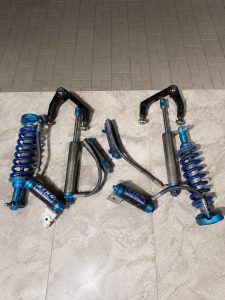
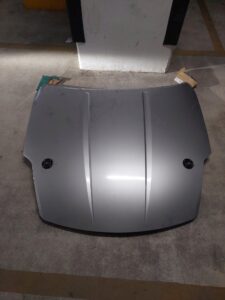
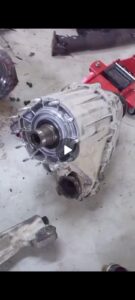
You can buy online through the Pistons parts marketplace, in person at the Ras Al Khor auto market, from franchised dealers for genuine parts, or from independent workshops that source and fit parts for you. Sharjah’s used-parts markets are good for cheaper salvage parts.
List them on the Pistons parts marketplace for free and buyers contact you directly, or sell in bulk to workshops and scrap dealers in Ras Al Khor and Sharjah. For cash sales, always meet in a safe public place and confirm payment before handing over the part.
Take clear photos, write an honest description with the condition and the makes and models the part fits, set a fair price, and list it on a marketplace like Pistons. Listing is free with no commission, so you keep the full amount.
Usually more than you’d get selling it whole for scrap, because the valuable pieces (engine, gearbox, alternator, ECU, catalytic converter, clean panels and interior trim) add up. The trade-off is time and storage. If you want a quick sale, a workshop that breaks cars will buy the whole thing for less; if you want the most money, part it out yourself and list the good bits first.
Your VIN (the chassis number) identifies your car’s exact model, engine and trim. Quote it when you enquire and the seller or a dealer parts desk can match the correct part number, which is the surest way to avoid buying a part that doesn’t fit.
Genuine (OEM) parts are made by or for the original manufacturer and match factory quality, usually at a higher price. Aftermarket parts are made by third parties to fit your car; quality varies, but good ones cost less. Use genuine for safety-critical parts and quality aftermarket for common wear items.
Yes, but heavy parts are expensive to send, some (airbags, batteries, fluid-filled parts) have shipping restrictions, and the buyer normally pays import duties. Always get a courier quote first based on packed weight and size.
Light scratches on plastic trim can often be reduced with a plastic scratch remover or a heat-gun method for textured trim, but deep gouges usually need the part refinished or replaced. For anything structural or visible, replacing the part is the cleaner fix, and used trim is cheap and easy to find on the parts marketplace.
The engine and the transmission top the list by a wide margin, followed by the catalytic converter (because of the precious metals inside), the ECU and other control modules, hybrid or EV battery packs, and airbag systems. That’s exactly why these parts hold their value used, and why a car that’s not worth selling whole can still be worth good money broken into parts.
Sell anything serviceable on a marketplace, scrap the metal (yards pay by weight for engines, panels and exhausts), return old batteries to a battery shop or recycler, and hand worn tyres to the fitter when you buy new ones. Between selling, scrapping and recycling, almost nothing on a car actually needs to go to landfill.
Information in this guide is general and for the UAE market at the time of writing. Prices, availability and shipping rules change, so always confirm details with the seller and, for imports, with customs in the destination country.




Free to list, seen by buyers across the UAE.