How to Buy a Car from Emirates Auction: The 2026 Guide

If you’ve ever wondered how people pick up cars in the UAE for well under market price, the answer is usually Emirates Auction. It’s the biggest vehicle auction platform in the country, and it’s where banks, government fleets, rental companies and insurers offload cars in bulk. The catch is that it works nothing like buying from a dealer, and if you walk in without understanding the rules, it’s an easy place to lose money. Here’s exactly how it works and how to buy well.
You register an account, put down a refundable security deposit worth 20% of the bidding limit you want, bid on cars online (or in person), and if you win you have 48 hours to pay in full. Cars are sold “as is” with no warranty, so the whole game is won or lost on inspection before you bid. Emirates Auction handles the sale only. Registration, insurance and getting the car road-legal are all on you.
That last point is the one that catches people out, so we’ll come back to it.
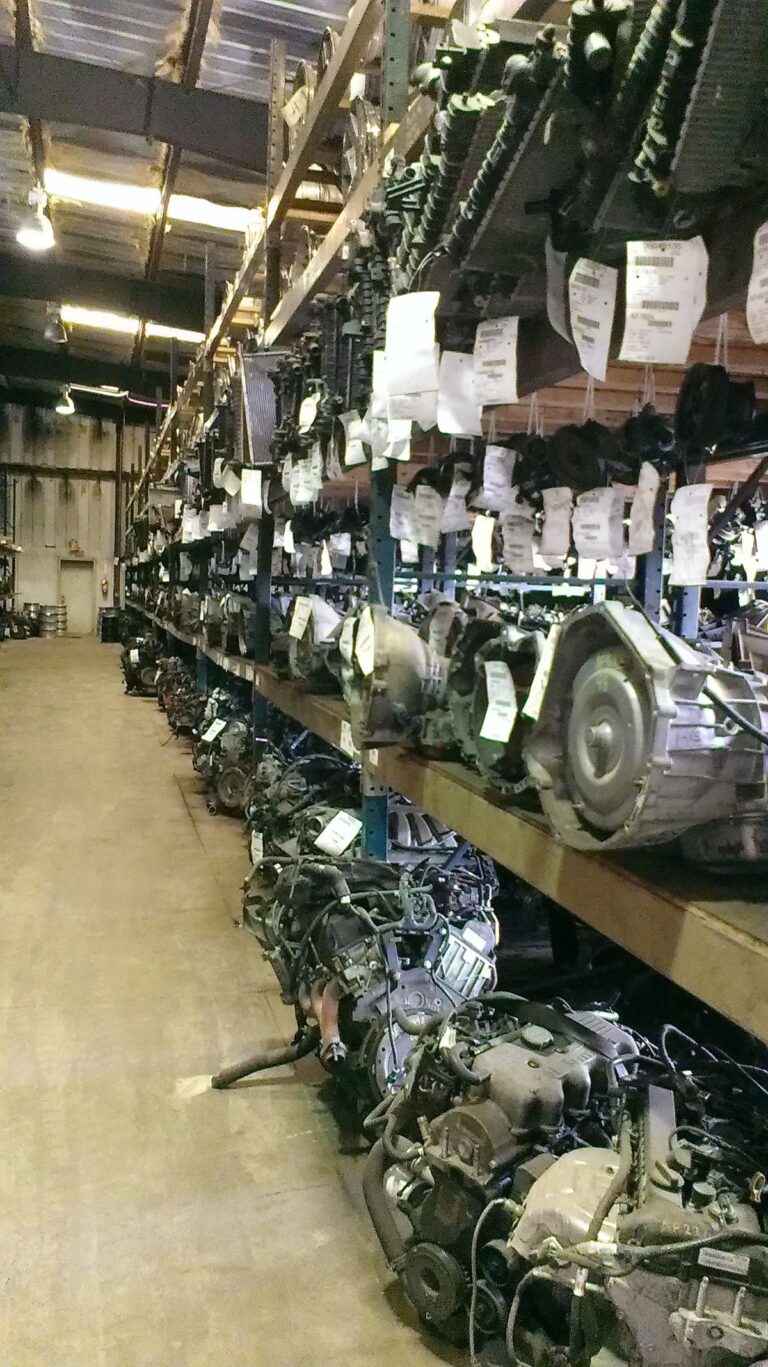
Emirates Auction is the UAE’s largest auctioneer for vehicles, number plates, and machinery. The cars come from a mix of sources: bank repossessions, fleet and rental disposals, insurance write-offs, government vehicles, and private sellers. That mix is exactly why the deals exist. A leasing company clearing 200 cars isn’t trying to squeeze the last dirham out of each one.
You’ll find them operating across the UAE, with big yards in Dubai (Ras Al Khor Industrial Area 2, opposite the Auto Market, plus Al Warsan), as well as Abu Dhabi and Sharjah. You can bid online through the website or the app.
Before you can bid on anything, you need to be a registered member. Head to the Emirates Auction website or app and sign up. You’ll be asked to upload:
A copy of your Emirates ID, a valid driving licence, and a recent utility bill for address verification. Both residents and non-residents can register and bid, and you can even bid and pay from outside the UAE if you’re buying to export.
This is the part that confuses first-timers, so read it twice. To bid, you place a refundable security deposit equal to 20% of the bidding limit you want. If you want to be able to bid up to AED 50,000, you deposit AED 10,000. Want a higher limit? Deposit more. You can raise your limit later if you need to.
How you pay the deposit matters, because it changes what happens next:
| Deposit method | When you can start bidding | Can it go toward the car? |
|---|---|---|
| Credit / debit card | Immediately | No |
| Bank transfer or bank deposit | After you upload proof of payment | Yes |
| Cheque (100% of your bidding limit) | Immediately once recorded | No |
So if you want your deposit to count toward the final price, pay it by bank transfer or bank deposit, not card. A card deposit lets you bid instantly but gets refunded separately (Emirates Auction returns card deposits to the same card, typically within about 21 working days).
Every car is listed “as is.” In Emirates Auction’s own words, that means sold in its current condition with all faults, no guarantee, and no warranty. They’re clear that it’s the buyer’s job to inspect and investigate before bidding. They do not guarantee the accuracy of the photos or descriptions.
One thing worth understanding is that not every car gets the same treatment. Emirates Auction inspects some cars themselves, typically the ones that roll in looking to be in decent shape, and you’ll see that inspection reflected on the website or app. But plenty of others don’t get inspected at all. Liquidation cars, vehicles that have been sitting for a long time, and repossessed cars often go up with no inspection behind them. Classic cars are not inspected either. So the presence or absence of an inspection is itself a signal: if a car has one, use it as a starting point; if it doesn’t, assume nothing and treat your own inspection as non-negotiable.
Here’s how to protect yourself:
If the car is available for viewing, go and inspect it in person at its location, or send someone who knows cars. Check for the inspection report if the seller has provided one, as the seller might attach their own seller-provided inspection report alongside emirates auction’s, but treat it as a starting point only. For anything you’re serious about, pay for an independent inspection from your choosing. A proper multi-point check runs a few hundred dirhams and is the cheapest insurance you’ll ever buy at an auction. The catalogue won’t show you clocked mileage, hidden accident repairs or flood damage. A good inspection will.
Because these cars come with no comeback, the same used-car diligence applies as anywhere else, only more so. Our guide on how to check a used car’s history in the UAE is worth reading alongside this one before you bid on anything.
This is the part most guides skip, so here’s the practical version. There are two people you coordinate with: Emirates Auction (for access to the car) and a mobile inspection company (to do the actual PPI).
Start with the listing. Each car sits at a specific location, and the listing tells you whether it’s available for viewing. If it is, contact Emirates Auction directly or view the location from the auction page on the app to confirm the viewing window and where exactly the car is parked, since the yards are large and cars are grouped by provider. Do this early. You want the inspection done with time to spare before the auction ends, not in the final hour.
Then book a mobile PPI service that comes to the lot. This is the answer to “who inspects it”: several UAE companies send a mechanic with diagnostic tools directly to the auction location and give you a photo report and a PDF. Typical packages run from around AED 99 for a computer/OBD diagnostic, AED 250 for a body and paint plus diagnostic check, up to about AED 399 for a comprehensive 400-point inspection. Booking the fuller package before auction day is money well spent on anything you’re serious about.
Now, the realistic limitations, because an auction lot is not a workshop:
Don’t assume the car starts or has keys. Plenty do, but repossessed, liquidation and long-sitting cars can have a flat battery, no key, or both. Ask Emirates Auction whether the specific car can be started, or has been started when it rolled into the lot.
You usually can’t put it on a ramp. Cars are parked tightly in rows, so a mobile inspector works with what’s accessible: a full visual, paint-depth readings, an OBD scan, engine bay, and a jack where there’s room. A proper underbody-on-a-lift inspection generally isn’t possible at the lot. If underbody condition is critical for you (say, a car you suspect has flood or chassis damage), factor that limitation into how much you’re willing to bid.
Bring the basics or let the pro bring them. A good mobile inspector arrives with an OBD scanner, a paint-depth gauge, a torch etc. If you’re checking a car yourself instead, bring at least a torch and something to lie on, and wear clothes you don’t mind getting dirty.
The short version: confirm viewing access with Emirates Auction, book a mobile PPI to that location and time, and go in expecting a thorough visual and diagnostic check rather than a full workshop strip-down.
Once your deposit is in and you’ve done your homework, you bid. A few things worth knowing about how the bidding actually behaves:
Every car has its own end time and countdown, shown next to the listing. Auctions can extend: if a bid lands in the final five minutes, the clock resets by another five minutes so other bidders get a fair shot. Times can also stretch slightly around prayer times. If you’re bidding online in the closing moments, keep refreshing so you’re seeing the real current bid, because Emirates Auction won’t cover you for a lost connection or a late bid.
Two phrases to understand before you get carried away:
“AS IS” means what we covered above: all faults, no warranty, your responsibility.
“Conditional on the provider’s approval” means there’s effectively a reserve. Even if you’re the highest bidder, the seller can accept or reject your final price. So winning the bid doesn’t always mean you’ve bought the car.
And one hard rule: all bids are final. You cannot cancel a bid, so never place one on a car you haven’t checked or can’t afford.
If you win (and the sale is confirmed), the clock starts. You have 48 hours from the auction end time to pay in full. Miss it and a late penalty of AED 105 per day applies to the outstanding amount, and if you simply don’t pay, your deposit can be captured, fines applied, and legal action taken. This isn’t a platform to test with a bid you’re not committed to.
You pay by bank deposit or bank transfer to Emirates Auction’s account. Note that transfers can take up to three working days to clear, and you’ll need to add roughly AED 80 to cover the receiving bank’s fee. If your deposit was made by bank transfer or deposit, it can be applied toward the total. If it was a card or cheque deposit, it can’t.
You also need to collect the car within 48 hours, or the same AED 105 per day late fee kicks in. If you can’t collect it yourself, someone else can, but only with a properly attested Power of Attorney.
Here’s the big one people forget to budget for: Emirates Auction does not register, insure, or finance the car. It only sells it. What you get from them is a possession or transfer certificate and the documents needed for registration (where available), and those documents are issued in the account holder’s name only. So bid from the account of whoever will actually own the car.
To get it on the road in Dubai, you’ll need to go through the RTA yourself:
First, sort out insurance, because you can’t register without it. Then get the car through a technical inspection at Tasjeel or another RTA-approved centre. Then complete the ownership transfer and registration, where the RTA registration fee is around AED 450. Budget for insurance, the inspection, plates and any recovery or transport if the car isn’t driveable, because plenty of auction cars aren’t ready to drive off the lot.
The winning bid is only part of what you’ll pay. Here’s a realistic picture of the extras, using Emirates Auction’s own published fees where they apply.
| Cost | Rough amount | Notes |
|---|---|---|
| Winning bid | Varies | Your price |
| Security deposit | 20% of your bidding limit | Refundable, or applied to payment if paid by bank transfer |
| Bank transfer receiving fee | Around AED 80 | Added to bank transfer payments |
| Late payment penalty | AED 105 per day | Only if you miss the 48-hour window |
| RTA registration | Around AED 450 | Paid to the RTA, not Emirates Auction |
| Insurance | Varies by car and driver | Required before registration |
| Technical inspection | A few hundred AED | Tasjeel or RTA-approved centre |
If you plan to export the car instead of registering it here, Emirates Auction can help prepare the export certificate. Their published export fees are AED 525 for the export certificate, AED 178.50 for the export test, and AED 200 for a Dubai traffic file if one is needed. Always confirm UAE customs rules and the destination country’s requirements before you bid, not after.
For the right buyer, absolutely. If you know cars (or bring someone who does), inspect properly, set a hard budget and stick to it, you can land a car for noticeably less than the dealer or classifieds price. Exporters and traders do this all day for exactly that reason.
It’s the wrong route if you want a warranty, a smooth hand-holding experience, or the ability to change your mind. There’s no comeback, no financing, and a real amount of legwork to get the car road-legal afterward. Get emotional in a bidding war and overpay, or skip the inspection and win a lemon, and the “bargain” evaporates fast.
The honest summary: Emirates Auction rewards preparation and punishes impatience. Do the homework and it’s one of the best-value ways to buy a car in the UAE. Wing it, and it’s an expensive lesson.
A refundable security deposit worth 20% of the bidding limit you want. For a AED 50,000 limit, that’s AED 10,000. Pay by bank transfer if you want it to count toward the car.
Yes. Both residents and non-residents can register, bid, and even pay remotely, which is common for buyers exporting cars.
Some are, some aren’t. Emirates Auction inspects certain cars themselves (usually the ones in decent shape), and you’ll see that on the listing. But liquidation cars, long-sitting cars, repossessed cars and classic cars typically go up with no inspection. Either way they’re sold “as is” with no warranty, so an independent inspection before bidding is strongly recommended.
48 hours from the auction end time. After that a penalty of AED 105 per day applies to the outstanding balance.
No. It provides the possession/transfer documents (in the account holder’s name), but registration, insurance and financing are all your responsibility through the RTA.
No. All bids are final, so only bid on cars you’ve inspected and can pay for.
Confirm with Emirates Auction that the car is available for viewing and where it’s parked, then book a mobile PPI company that travels to the auction lot. Expect a visual, paint and diagnostic check rather than a full ramp inspection, and don’t assume every car can be started, as repossessed and long-sitting cars may have a flat battery or no key.
Before you commit to an auction, it’s worth knowing what the same car costs from a normal seller, so you know whether the auction price is actually a deal. Have a browse of the live car listings on Pistons, or if you’re after something older and characterful, our classic cars for sale in the UAE. Knowing the going rate is the single best defence against overbidding.
97 cars listed right now, priced from AED 8,000 to AED 1,200,000.






Fees and figures in this guide are based on Emirates Auction’s published terms and UAE market information at the time of writing, and can change. Always confirm the current deposit rules, fees and payment terms directly with Emirates Auction and the RTA before you bid.





Free to list, seen by buyers across the UAE.